Wespc Technologies
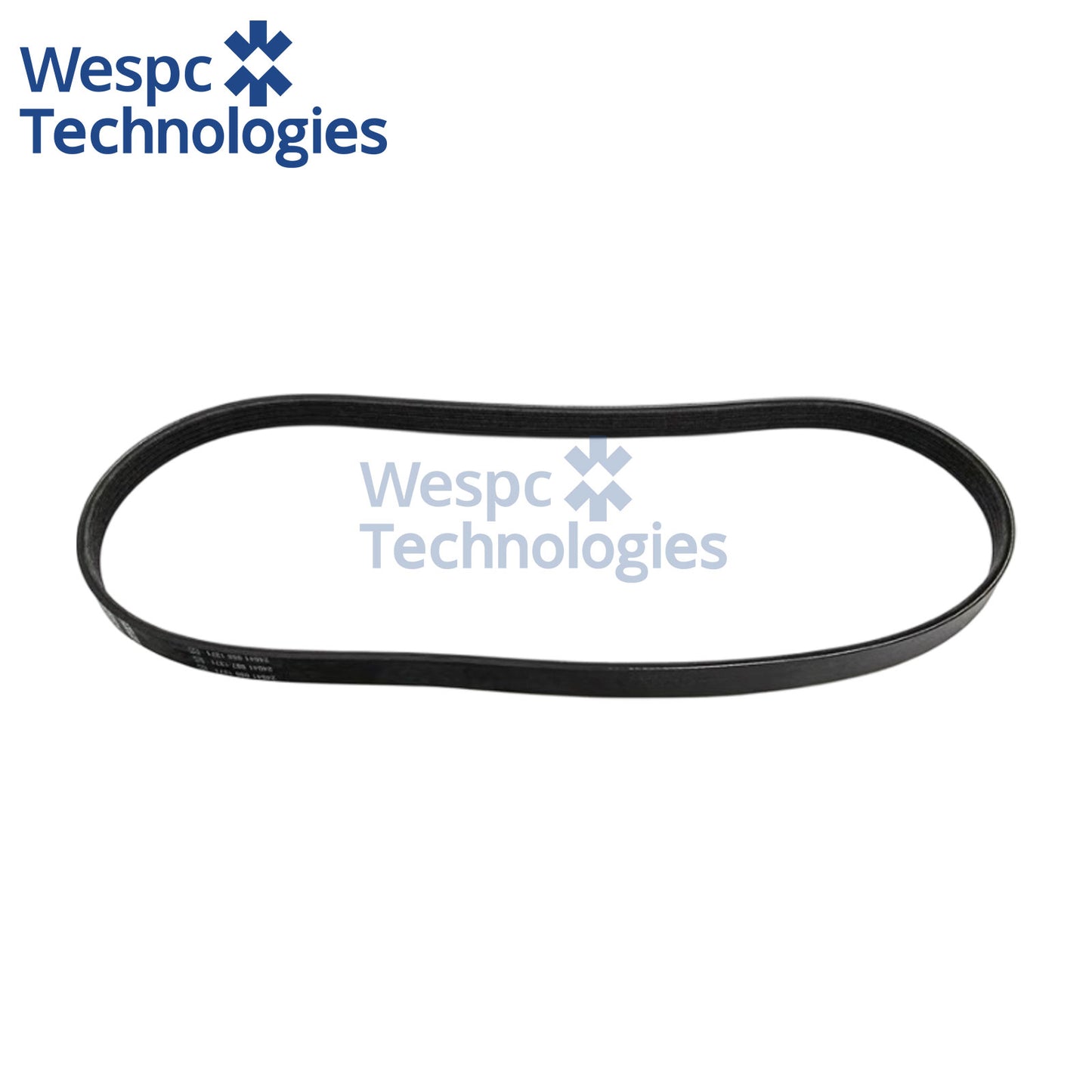
Perkins CH11023 Fan Belt Set 3PCS Cross‑Ref 996‑957 For Perkins 2306 2506 2806 Series Diesel Engine
Perkins CH11023 Fan Belt Set 3PCS Cross‑Ref 996‑957 For Perkins 2306 2506 2806 Series Diesel Engine
لم نتمكن من تحميل توفر الاستلام
Detailed Description / Use: Fan Belt Tensioner.
Perkins v-belts, also known as vee belts or wedge belts, are designed to prevent slippage and alignment problems. With greater load, the belt will tend to wedge into the groove, providing better performance. Widely used due to the reliability and strength from fibre reinforcement. When replacing fan belts check the belt tension is correct, together with the battery and all the electrical connectors. Where engines have twin belts, check to ensure the belts are of a matched length..
Compatible Engines: This part has been assembled and fitted on the following Engine Prefixes: HGA, HGB, SXG. Please Refer to your exact Engine Serial Number or Engine Build List for exact Part Number compatibility as multiple types of this Part may be used across each Engine Type.
Engine Series:This part has been assembled and fitted on the following Engine Series: 2000 SERIES . Please Refer to your exact Engine Serial Number or Engine Build List for exact Part Number compatibility.
Engine Model Part Usage:2806A/C-E18TAG1 (A) (18 LITRE), 2806C-E16TAG2, 2806TAG1 (16 LITRE), 2806TAG2 (16 LITRE)
Product Specifications
Note: CH11023 (3‑piece set): Multi‑ribbed toothed V‑belt set exclusively for Perkins 2306/2506/2806 engines, interchangeable with 996‑957. Must be replaced as a complete set; single‑belt replacement is prohibited. CH11023 and CH11186 are designed for the same engine models but feature different dimensions. They cannot be intermixed.
Functional Reminder: CH11023 is purely a mechanical drive belt set with no electrical functions. In case of repeated belt failures, replacing belts alone is insufficient. Root‑cause inspection shall be carried out, including worn pulley grooves, defective tensioner, uneven belt tension, oil and grease contamination and other potential faults. Mixing old and new belts in a multi‑belt drive system will result in overloading and premature breakage of individual belts.
يشارك